Answers
Users expect a clear workflow, understandable evidence, saved context, honest limits, and an obvious next action.
Wellgrid is most useful when it helps people building consistent wellness routines reach this outcome: see patterns without turning health into a complicated spreadsheet.
Key takeaways
- Wellgrid is strongest when the session starts with a real goal: see patterns without turning health into a complicated spreadsheet.
- Better inputs matter. Prepare daily habits, goals, streaks, notes, and routine preferences before judging the result.
- Review the output against consistency, skipped days, recurring barriers, timing, and routine design so the app stays useful instead of generic.
- wellness tracking is educational and should not replace clinical guidance
Fast answers are not enough
Users want speed, but they also want the answer to explain itself. A good wellness habit tracker should show why the result makes sense from consistency, skipped days, recurring barriers, timing, and routine design.
In practice, that means slowing down long enough to give Wellgrid the context a human would ask for: what you are trying to decide, what details are visible, and what kind of next step would be useful.
The best apps respect uncertainty
People trust tools that admit limits. Wellgrid should help users act with more clarity while keeping this boundary visible: wellness tracking is educational and should not replace clinical guidance.
A useful session should reduce uncertainty, preserve the evidence behind the result, and make the next action easier to choose. More screens do not help when the underlying context is incomplete.
Personal context makes the difference
Generic advice is easy to find. The stronger experience is one that starts from people building consistent wellness routines and supports see patterns without turning health into a complicated spreadsheet.
Wellgrid helps users track wellness habits in a simple grid, but the result should still be checked against the user's own context and any professional boundary that applies.
How Wellgrid fits the workflow
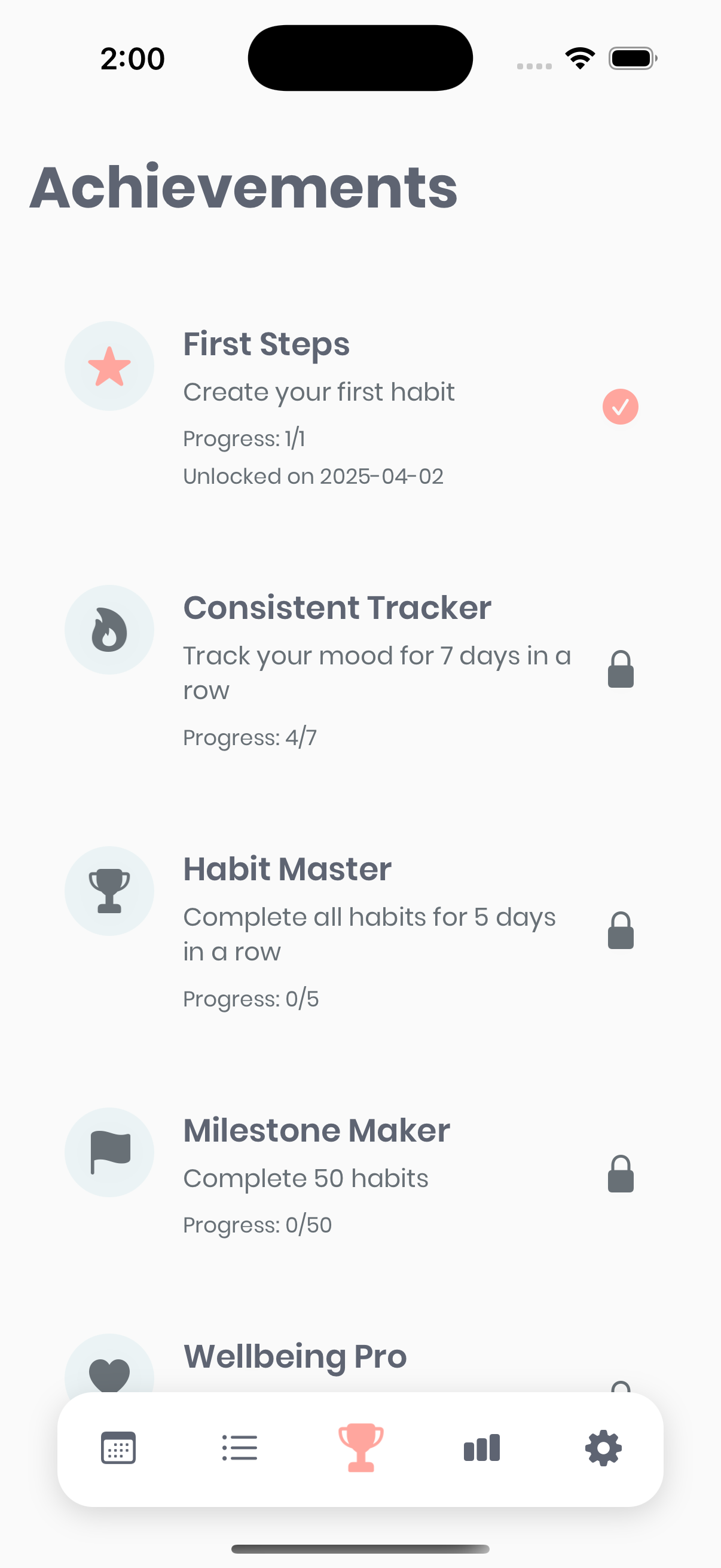
Wellgrid supports this workflow: track wellness habits in a simple grid. Start from daily habits, goals, streaks, notes, and routine preferences, then review the result against consistency, skipped days, recurring barriers, timing, and routine design. The app should help the user gather the right context, complete the core task, and keep a record that can be reviewed later instead of relying on memory.
The best repeat users build a small history. Saved sessions, notes, screenshots, or previous results make future decisions faster because the app has a clearer personal reference point.
What to prepare before opening the app
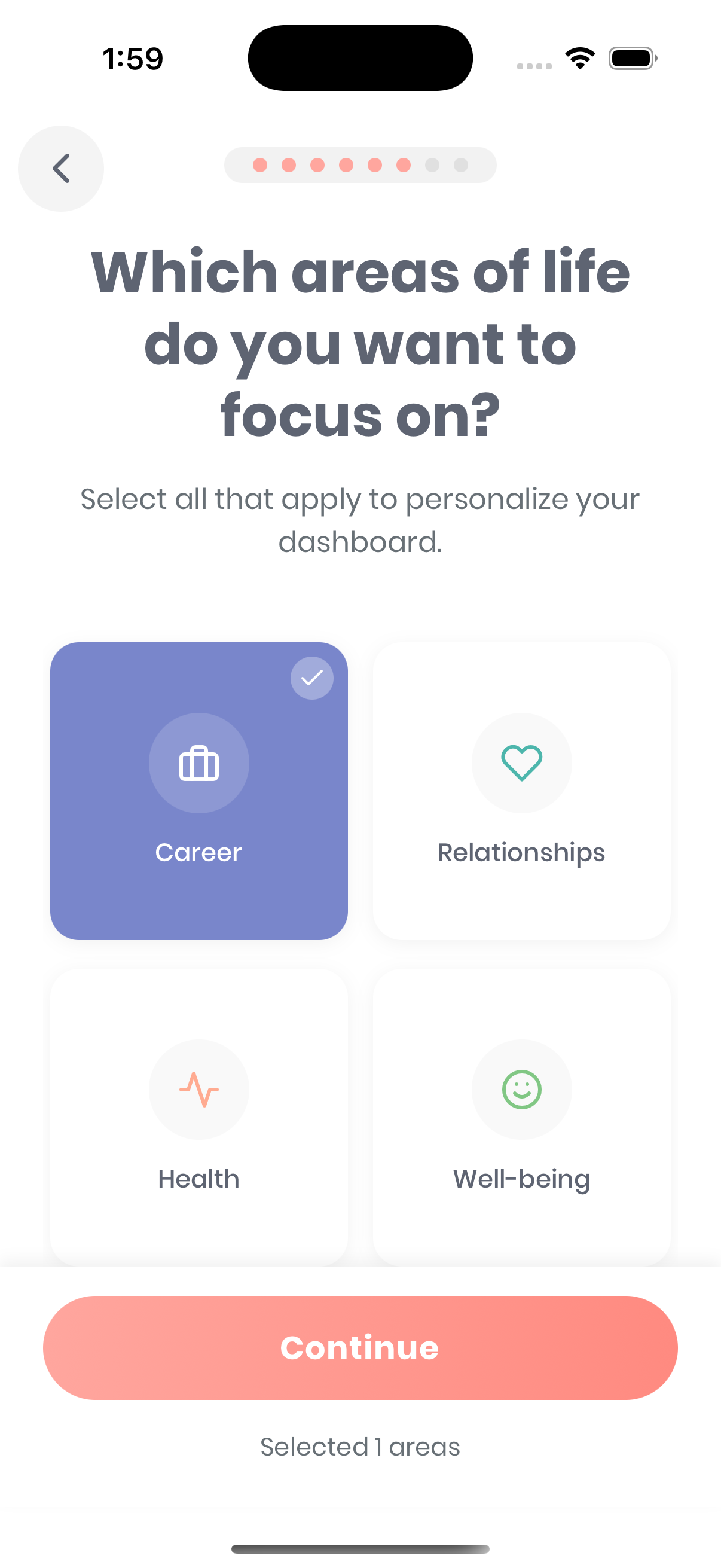
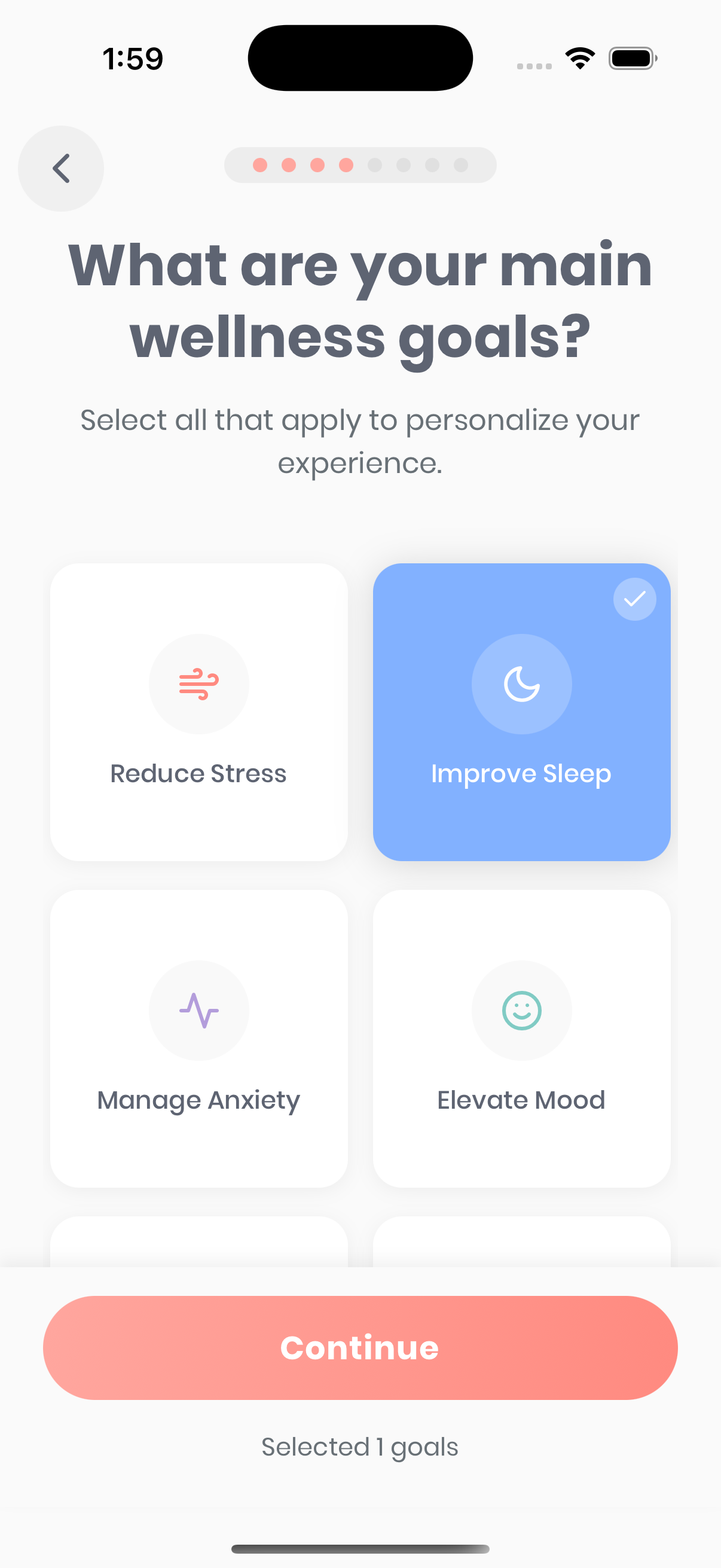
Prepare daily habits, goals, streaks, notes, and routine preferences. This makes the output easier to judge and gives the app enough signal to avoid a vague, one-size-fits-all result.
In practice, that means slowing down long enough to give Wellgrid the context a human would ask for: what you are trying to decide, what details are visible, and what kind of next step would be useful.
How to judge the result
A useful result should line up with consistency, skipped days, recurring barriers, timing, and routine design. If the answer doesn't explain itself, the next best step is to improve the input, compare with saved history, or seek expert confirmation when the decision is high-stakes.
A useful session should reduce uncertainty, preserve the evidence behind the result, and make the next action easier to choose. More screens do not help when the underlying context is incomplete.
Product moments: Wellgrid
Wellgrid supports this workflow: track wellness habits in a simple grid. It is designed around daily habits, goals, streaks, notes, and routine preferences, and its output should be reviewed against consistency, skipped days, recurring barriers, timing, and routine design.
Continue in Wellgrid when you have daily habits, goals, streaks, notes, and routine preferences ready and want to save the result.
Before you download.
What do users expect from a trustworthy wellness habit tracker?
Users expect a clear workflow, understandable evidence, saved context, honest limits, and an obvious next action.
Which inputs make this article more useful?
Prepare daily habits, goals, streaks, notes, and routine preferences. Specific context makes the result easier to inspect and compare.
When does this workflow need outside confirmation?
Wellness tracking is educational and should not replace clinical guidance. Seek the appropriate qualified source when the decision affects health, safety, money, or legal rights.
Practical checklist
Trust note
Wellness tracking is educational and should not replace clinical guidance. Wellgrid is designed to make the workflow clearer, not to replace expert review when the decision is high-stakes.