
Answers
For The Science of a Low Dopamine Morning for Sustained Focus, prepare daily habits, goals, streaks, notes, and routine preferences. Keep a clear decision boundary before acting on the result.
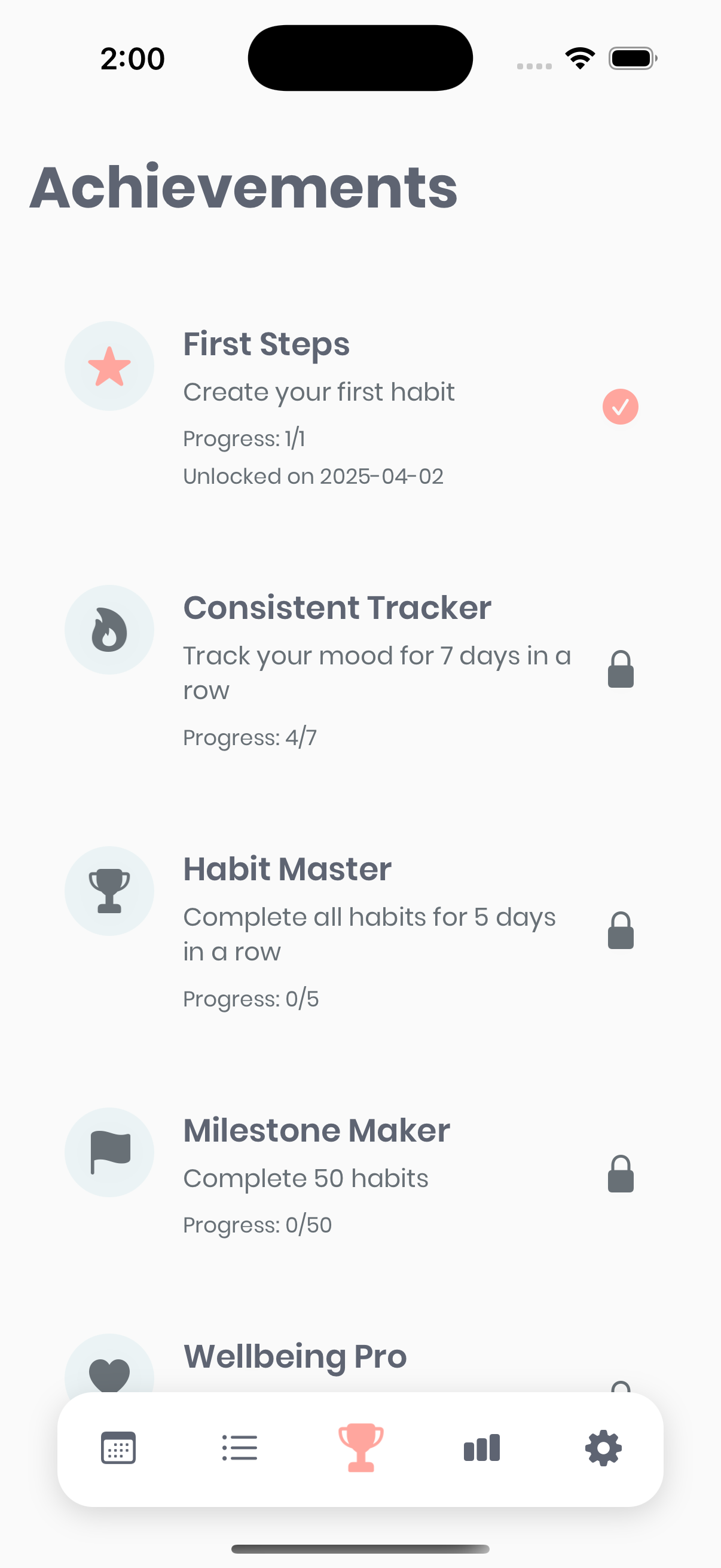
Wellgrid can support this workflow: track wellness habits in a simple grid. Review the result against consistency, skipped days, recurring barriers, timing, and routine design.
Key takeaways
- Morning scrolling sets an artificially high dopamine baseline that ruins focus.
- Your brain needs time to transition through neural wave states naturally.
- High-presence, low-novelty activities ground the nervous system.
- Protecting your morning attention builds long-term cognitive endurance.
The Invisible Cost of the Morning Scroll
Most of us begin the day in a state of reactive stimulation by reaching for a smartphone before our eyes are even fully open. This immediate influx of notifications, news, and social media triggers a rapid release of dopamine, setting a high baseline for stimulation that the rest of your day will struggle to match. When you start your morning with a high-dopamine activity, your brain quickly adapts to that intensity, making cognitively demanding tasks like deep work or focused problem-solving feel agonizingly dull by comparison.
This phenomenon, often called dopamine stacking, explains why a five-minute social media check can leave you feeling mentally fragmented and restless for hours afterward.
In practice, that means slowing down long enough to give Wellgrid the context a human would ask for: what you are trying to decide, what details are visible, and what kind of next step would be useful.
Understanding Your Brains Transition States
A screen-light morning can be treated as a personal routine experiment rather than a neurological claim. Choose a short period without feeds or notifications, note how the routine feels, and adjust it based on your own schedule and wellbeing.
A useful session should reduce uncertainty, preserve the evidence behind the result, and make the next action easier to choose. More screens do not help when the underlying context is incomplete.
Practical Strategies for a Low Stimulation Start
Transitioning to a low-dopamine routine requires replacing high-novelty triggers with high-presence activities that ground your nervous system. This might look like drinking a glass of water while looking out a window, engaging in light stretching, or simply completing a manual task like making the bed without a podcast playing in the background. The goal is to engage with the physical world before the digital one, allowing your brain to stabilize its neurochemistry.
If you find the silence uncomfortable, it is often a sign that your brain has become overly dependent on external stimulation, and leaning into that discomfort for even ten minutes can help recalibrate your focus and reduce baseline anxiety.
Wellgrid helps users track wellness habits in a simple grid, but the result should still be checked against the user's own context and any professional boundary that applies.
Mapping Your Routine Without Complexity
Consistency in a morning routine is often derailed by over-complication or the pressure to perform an hour-long ritual. Instead of a rigid protocol, focus on a simple sequence of three to four grounding habits that signal to your brain that the day has begun on your terms. Visualizing these habits in a clear format can help lower the cognitive load of decision-making in the morning.
Some people find that using a simple wellness habit tracker like Wellgrid helps them maintain this rhythm without adding the very digital noise they are trying to avoid. By tracking these patterns in a simple grid, you can see how your morning choices directly correlate with your afternoon focus levels without turning your health into a stressful spreadsheet.
The best repeat users build a small history. Saved sessions, notes, screenshots, or previous results make future decisions faster because the app has a clearer personal reference point.
The Long Term Benefits of Cognitive Guardrails
The cumulative effect of protecting your morning dopamine levels extends far beyond just having a better morning. Over time, this practice strengthens your executive function and improves your ability to tolerate boredom, which is a prerequisite for high-level creative work. You will likely find that your cravings for distraction during the workday diminish and your capacity for sustained attention increases.
This isn't a quick fix but a fundamental shift in how you manage your most valuable resource: your attention. By reclaiming the first hour of your day, you are essentially training your brain to find satisfaction in steady progress rather than instant, hollow rewards.
In practice, that means slowing down long enough to give Wellgrid the context a human would ask for: what you are trying to decide, what details are visible, and what kind of next step would be useful.
Start Your Journey to Consistency
Building a low-dopamine morning is easier when you can visualize your progress. If you are looking for a simple way to track your new routines, you can download Wellgrid on the App Store or Google Play.
A useful session should reduce uncertainty, preserve the evidence behind the result, and make the next action easier to choose. More screens do not help when the underlying context is incomplete.
Product moments: Wellgrid
Wellgrid supports this workflow: track wellness habits in a simple grid. It is designed around daily habits, goals, streaks, notes, and routine preferences, and its output should be reviewed against consistency, skipped days, recurring barriers, timing, and routine design.
Continue in Wellgrid when you have daily habits, goals, streaks, notes, and routine preferences ready and want to save the result.
Before you download.
What is the practical takeaway from The Science of a Low Dopamine Morning for Sustained Focus?
For The Science of a Low Dopamine Morning for Sustained Focus, prepare daily habits, goals, streaks, notes, and routine preferences. Keep a clear decision boundary before acting on the result.
Which inputs make this article more useful?
Prepare daily habits, goals, streaks, notes, and routine preferences. Specific context makes the result easier to inspect and compare.
When does this workflow need outside confirmation?
Wellness tracking is educational and should not replace clinical guidance. Seek the appropriate qualified source when the decision affects health, safety, money, or legal rights.
Practical checklist
Trust note
A low-dopamine morning won't solve systemic burnout, but it is a foundational step in managing daily cognitive load.